When comparing light vs dark roast coffee, the main differences come down to flavor, acidity, body, caLight vs Dark Roast Coffee: 7 Key Differences Explained
When comparing light vs dark roast coffee, the differences go far beyond color. Roast level affects flavor, acidity, body, extraction, brewing performance, and even how coffee behaves in espresso versus filter brewing.
While some coffee drinkers prefer the bright fruitiness of light roasts, others enjoy the bold, rich intensity of darker roasts. Understanding how roast level changes coffee can help you choose the best beans for your taste and brewing method.
In this guide, we’ll break down the key differences between light and dark roast coffee, explain how roasting affects extraction, and help you decide which roast is right for you.
What Is Coffee Roasting?
Coffee roasting is the process of heating green coffee beans to develop their aroma, flavor, and color. During roasting, the beans undergo chemical reactions that transform raw, grassy-tasting seeds into the flavorful coffee beans used for brewing.
As roasting progresses:
- Moisture evaporates
- Sugars caramelize
- Acids break down
- Aromatic compounds develop
- Bean structure expands and becomes more brittle
The roast level determines how much of the bean’s original character remains versus how much roast flavor dominates the cup.
What Is Light Roast Coffee?
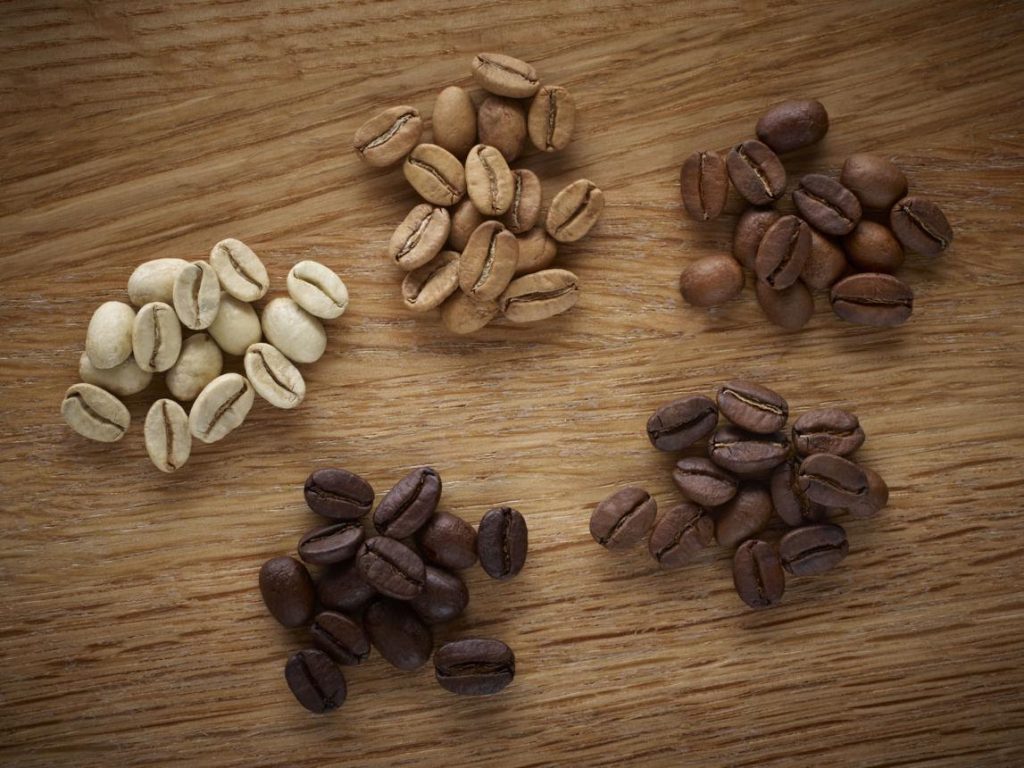
Light roast coffee is roasted for a shorter time, typically ending shortly after first crack. This preserves more of the coffee bean’s original origin characteristics.
Flavor Profile of Light Roast Coffee
Light roast coffee is known for:
- Bright acidity
- Fruity and floral aromas
- Higher sweetness perception
- Tea-like or silky body
- Distinct origin clarity
Why Specialty Coffee Uses Light Roasts
Many specialty coffee roasters prefer lighter roast profiles because they preserve terroir and highlight the unique characteristics of the bean’s origin, processing method, and varietal.
What Is Dark Roast Coffee?
Dark roast coffee is roasted longer, often until second crack or beyond, producing deeper caramelization and stronger roast-driven flavors.
Flavor Profile of Dark Roast Coffee
Dark roast coffee usually features:
- Lower perceived acidity
- Heavy body
- Chocolate and caramel notes
- Roasted nut / smoky flavors
- More bitterness
Dark roasts emphasize roast character over origin nuance.
Light vs Dark Roast Coffee: 7 Key Differences
| Feature | Light Roast Coffee | Dark Roast Coffee |
|---|---|---|
| Color | Light brown | Dark brown / oily |
| Flavor | Fruity, floral, bright | Bold, smoky, bittersweet |
| Acidity | High | Lower |
| Body | Light to medium | Medium to full |
| Solubility | Lower | Higher |
| Extraction Difficulty | Harder | Easier |
| Best Brewing Method | Filter / Pour Over | Espresso / Milk Drinks |
How Roast Level Affects Extraction
Roast level directly impacts how easily coffee extracts during brewing.
Light Roast Coffee
Because light roast beans are denser and less soluble, they often require:
- Finer grind size
- Higher water temperature
- Longer extraction times
- More precise brewing control
Expert Tip: Light roasts are harder to extract properly and can taste sour if under-extracted.
Dark Roast Coffee
Dark roast beans extract more easily because they are:
- More brittle
- More porous
- More soluble
This makes them generally easier for beginners to brew.
Which Roast Has More Caffeine?
A common myth is that dark roast coffee has more caffeine because it tastes stronger.
In reality:
- Light roast coffee may contain slightly more caffeine by volume
- By weight, the difference is negligible
For most brewers, caffeine content is effectively similar.
Is Light Roast More Acidic Than Dark Roast?
Yes—light roast coffee generally tastes more acidic because shorter roasting preserves more of the bean’s organic acids.
However, “acidity” in coffee refers to brightness and liveliness, not necessarily stomach discomfort.
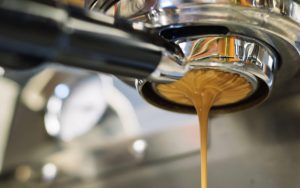
Can You Use Light Roast for Espresso?
Absolutely.
Although traditional espresso blends use medium to dark roasts, many specialty cafés now serve light roast espresso for brighter, fruit-forward shots.
That said, light roast espresso requires:
- Better grinder precision
- Higher brew temperatures
- Careful dialing in
Which Roast Is Better for Espresso?
For most people:
Medium / Dark Roast Is Better If You Want:
- Classic chocolatey espresso
- Heavy body
- Lower acidity
- Better performance in milk drinks
Light Roast Is Better If You Want:
- Fruity / modern espresso
- High clarity
- More complexity
- Third-wave café style shots
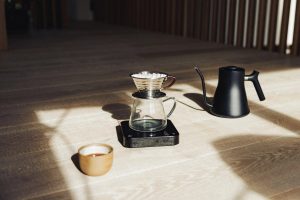
Which Roast Is Better for Filter Coffee?
Light roast coffee is typically preferred for filter brewing because it provides:
- Greater flavor clarity
- Better origin transparency
- More aromatic complexity
However, some people prefer darker filter coffee for a richer and bolder cup.
How to Choose Between Light and Dark Roast Coffee
Choose light roast coffee if you:
- Prefer fruity or floral flavors
- Enjoy bright acidity
- Brew V60, Chemex, or AeroPress
- Want to taste origin characteristics
Choose dark roast coffee if you:
- Prefer bold, rich coffee
- Enjoy chocolatey or smoky notes
- Brew espresso or moka pot
- Drink milk-based coffee beverages
Final Verdict: Light vs Dark Roast Coffee
There is no universally “better” roast—only the roast that best matches your preferences.
If you enjoy complexity, brightness, and delicate flavor notes, light roast coffee may be ideal. If you prefer rich, bold, low-acid coffee with heavier body, dark roast coffee may be a better fit.
The best way to decide is to taste both side by side and compare them using the same brewing method.
Frequently Asked Questions
Does dark roast coffee have more caffeine than light roast?
No. Light roast may contain slightly more caffeine by volume, but the difference is minimal.
Why is dark roast more bitter?
Longer roasting creates more bitter compounds and stronger roast flavors.
Is light roast coffee healthier?
Neither is inherently healthier, though light roast may retain slightly more antioxidants.
Is espresso always made with dark roast?
No. While traditional espresso uses darker roasts, many specialty cafés use light roasts for modern espresso.
Why do specialty coffee shops prefer light roast?
Because it preserves more origin flavor and highlights the bean’s unique characteristics.