In the world of specialty coffee, one of the most debated topics is the roast level. For the casual drinker, it seems like a simple choice between a light brown bean and a dark, oily one. However, for the discerning professional, the choice between light roast vs dark roast is a decision about chemistry, flavor extraction, and the overall sensory experience.
Whether you are a business owner looking for the perfect office brew or a home barista refining your craft, understanding how roasting changes the bean is essential. In this comprehensive guide, we break down the science and the taste to help you decide which roast fits your palate.
The Science of Roasting: What Actually Happens?
Before comparing light roast vs dark roast, we must understand the process. Coffee roasting is not just about heating beans; it is a series of complex chemical reactions.
The Maillard Reaction and Pyrolysis
As green coffee beans are heated, they undergo the Maillard Reaction, where amino acids and reducing sugars react to create the brown colors and savory flavors we associate with toasted bread. As the temperature rises further, pyrolysis begins, breaking down the organic compounds and creating the bold, smoky notes found in darker roasts.
The “Crack” Stages
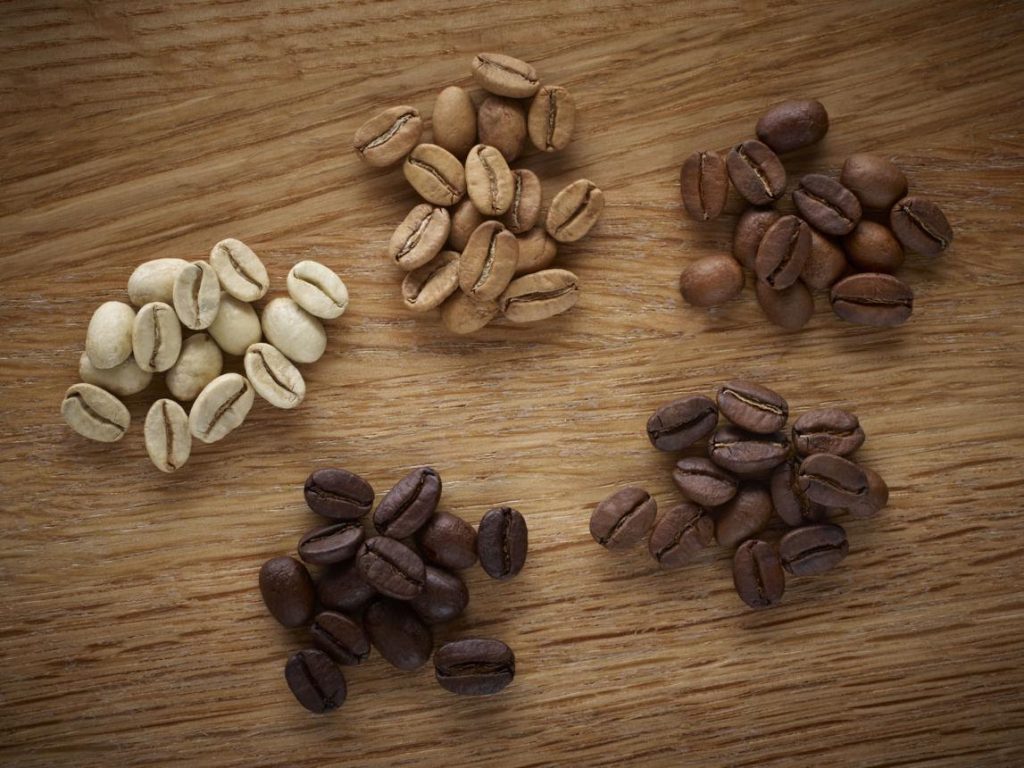
Roasters listen for the “crack.” The First Crack is when the bean expands and pops, signaling the transition to a light roast. The Second Crack happens later, as the cellular structure of the bean breaks down further, leading to the characteristic oiliness of a dark roast.
Deep Dive: What is Light Roast Coffee?
Light roast coffee is roasted for a shorter duration, typically ending shortly after the first crack. This preserves the “terroir”—the unique flavor of the soil and climate where the bean was grown.
The Flavor Profile: Bright and Complex
When comparing light roast vs dark roast, the light roast is defined by its acidity. In coffee terms, acidity is not “sourness” but rather a la bright, fruity, or floral quality. You will often find notes of citrus, berries, or jasmine in high-quality light roasts.
Why Professionals Choose Light Roasts
Many specialty coffee shops prefer light roasts because they highlight the bean’s origin. If you are drinking a rare Ethiopian Yirgacheffe, a light roast ensures you taste the fruit, not the roast. It offers a tea-like body and a cleaner finish.
Deep Dive: What is Dark Roast Coffee?
Dark roast coffee is pushed further, often until the second crack or beyond. Here, the origin characteristics fade, and the “roast flavor” takes center stage.
The Flavor Profile: Bold and Intense
In the light roast vs dark roast debate, the dark roast wins on intensity. You will experience lower perceived acidity and a much heavier body. The flavor profile shifts toward chocolate, caramel, and smoky, toasted notes.
The Appeal of the Dark Roast
Dark roasts are beloved for their boldness. They are particularly effective when paired with milk or cream, as the rich, bitter notes of the coffee can cut through the sweetness of the milk. This is why traditional espresso blends often lean toward the darker side.
Light Roast vs Dark Roast: The 7 Key Differences
To simplify the choice, we have compared the two across the most important metrics.
| Feature | Light Roast Coffee | Dark Roast Coffee |
|---|---|---|
| Color | Light brown / Cinnamon | Dark brown / Oily black |
| Flavor | Fruity, floral, bright | Bold, smoky, bittersweet |
| Acidity | High (Bright) | Low (Mellow) |
| Body | Light to medium (Tea-like) | Medium to full (Syrupy) |
| Solubility | Lower (Harder to extract) | Higher (Easier to extract) |
| Caffeine | Slightly more by volume | Slightly less by volume |
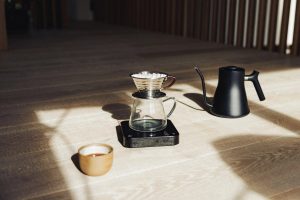
| Best Method | V60, Chemex, Pour-over | Espresso, Moka Pot, French Press |
Debunking the Caffeine Myth: Which is Stronger?
One of the most common misconceptions in the light roast vs dark roast conversation is the caffeine content. Many believe that because dark roast tastes “stronger,” it must have more caffeine.
In reality, the roasting process causes the bean to lose mass and expand. By volume, a scoop of light roast coffee actually contains slightly more caffeine than a scoop of dark roast. However, by weight, the difference is negligible. For the average professional, the caffeine kick will be nearly identical regardless of the roast level.
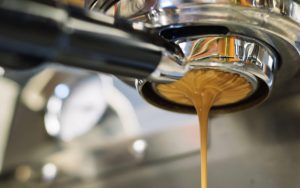
The Espresso Angle: Which Roast Should You Use?
Choosing between light roast vs dark roast for espresso depends entirely on your desired result.
- Choose Dark Roast if you want: A classic, chocolatey, and rich espresso with a heavy body and low acidity. This is the “traditional” Italian style.
- Choose Light Roast if you want: A “modern” espresso. This produces a fruit-forward, complex shot with high clarity, similar to what you find in the top specialty cafés in Berlin.
Final Verdict: Which Should You Choose?
Ultimately, the winner of light roast vs dark roast depends on your palate and your brewing gear.
If you enjoy complexity, bright acidity, and want to taste the origin of the bean, light roast is your best bet. If you prefer a bold, rich, and low-acid cup that pairs perfectly with milk, dark roast is the way to go.
Frequently Asked Questions
Does dark roast coffee have more caffeine than light roast?
No. While it tastes bolder, light roast coffee typically retains slightly more caffeine by volume.
Why is dark roast more bitter?
The longer roasting process creates more carbonized compounds, which increase the perceived bitterness.
Is light roast coffee more acidic?
Yes. Shorter roasting preserves the organic acids of the bean, resulting in a “brighter” taste.
Which roast is better for a V60?
Light roast is typically preferred for V60 brewing as it allows for better flavor clarity and aromatic complexity.