What is specialty coffee?
Specialty coffee is the highest quality coffee available, carefully sourced, roasted, and brewed to highlight its natural flavors.
If you’re wondering about the specialty coffee meaning, it refers to coffee that scores 80 points or higher on a 100-point scale set by the Specialty Coffee Association.
In this beginner guide, you’ll learn:
- What makes this coffee “specialty”
- How it compares to regular coffee
- How it’s produced from farm to cup
- How to start drinking it
What Does “Specialty Coffee” Mean?
The specialty coffee definition refers to coffee that meets strict quality standards at every stage of production.
To define specialty coffee, experts evaluate factors like origin, processing, roasting, and brewing.
Key elements include:
- High-quality Arabica beans
- Traceable origin (single farm or region)
- Skilled roasting techniques
- Fresh and precise brewing
👉 In short: it’s coffee treated like a craft, not a commodity.
Specialty Coffee vs Regular Coffee
Understanding the difference between specialty coffee and regular coffee is essential:
| Specialty Coffee | Regular Coffee |
|---|---|
| Scored 80+ points | No quality grading |
| Single origin – Curated Blend | Blended mass coffee |
| Fresh roast | Often stale |
| Complex flavors | Bitter, flat taste |
| Ethically sourced | Industrial production |
👉 This is why this type of coffee tastes cleaner and more flavorful.
How Specialty Coffee Is Made (Farm to Cup)
1. Coffee Farming
These beans are typically:
- Grown at high altitudes
- Carefully cultivated
- Hand-picked at peak ripeness
2. Processing Methods
Different methods influence flavor:
- Washed → clean and bright
- Natural → fruity and bold
- Honey → sweet and balanced
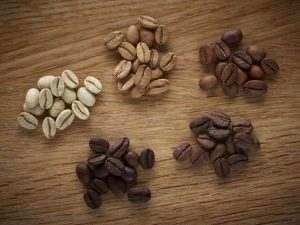
3. Roasting
Roasters develop profiles to highlight the bean’s natural characteristics rather than mask them.
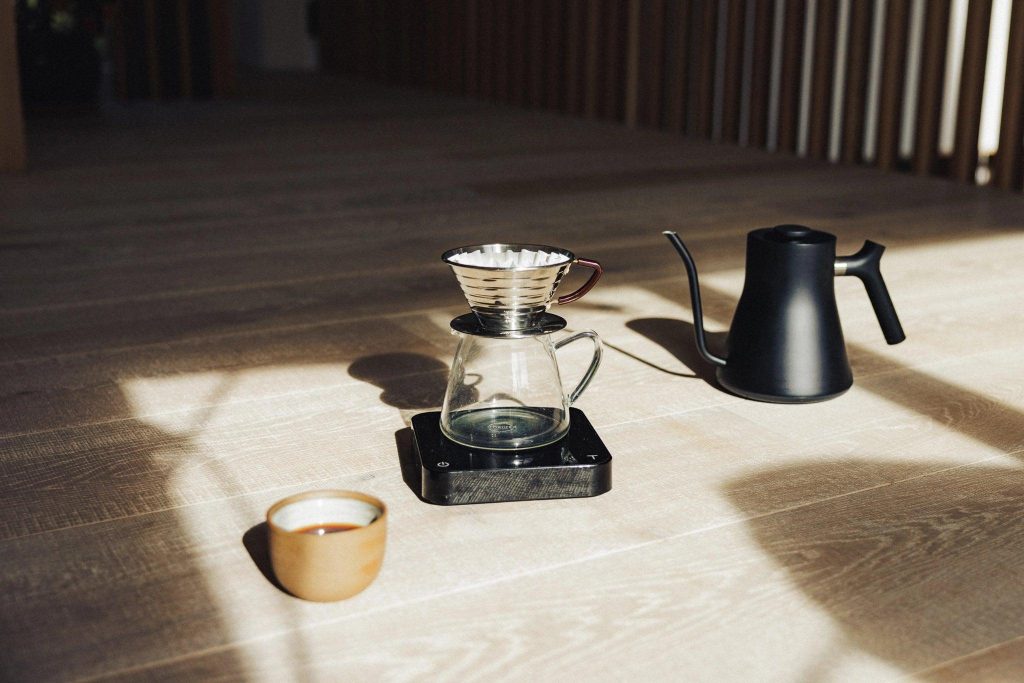
4. Brewing
Precision brewing brings out the best results:
French press
Pour-over (V60)
What Does Specialty Coffee Taste Like?
One of the biggest advantages of specialty-grade coffee is its flavor complexity.
You may notice:
- Fruity notes (berries, citrus)
- Sweet notes (chocolate, caramel)
- Floral aromas
- Balanced acidity
These are known as tasting notes and occur naturally depending on origin and processing.
The Specialty Coffee Scoring System Explained
Coffee professionals use a 100-point scoring system to evaluate quality.
Criteria include:
- Aroma
- Flavor
- Acidity
- Body
- Aftertaste
- Balance
👉 Only coffees scoring 80 points or higher qualify under this category.
What Is Third Wave Coffee?
The third wave coffee movement treats coffee as an artisanal product, similar to wine or craft beer.
It emphasizes:
- Transparency
- Sustainability
- Craftsmanship
- Direct trade
This movement helped popularize high-quality beans worldwide.
How to Start Drinking Specialty Coffee (Beginner Guide)
If you’re new, follow these simple steps:
1. Start with Filter Coffee
Filter brewing makes it easier to taste subtle flavors.
2. Buy Fresh Beans
Always check the roast date for freshness.
3. Explore Different Origins
- Ethiopia → fruity and floral
- Colombia → balanced and smooth
- Brazil → chocolatey and nutty
4. Taste It Black First
This helps you understand the natural profile before adding sugar or milk.
Frequently Asked Questions
What qualifies as specialty coffee?
Coffee that scores 80+ points and meets strict quality standards.
Is specialty coffee better than regular coffee?
Yes, it offers higher quality, better sourcing, and more complex flavors.
Why is it more expensive?
Because of better farming practices, careful processing, and small-scale production.
Can espresso be specialty coffee?
Yes, if high-quality beans are used and properly brewed.
Final Thoughts
Now you understand what is specialty coffee and why it stands out from regular options.
From careful farming to precise brewing, every step is designed to deliver better flavor and quality. If you want to upgrade your daily cup, this is where to start.