Last Updated: May 4, 2026 | Reading Time: 15 min | Author: Coffee Specialist
What Is Espresso? A Quick Definition for Beginners
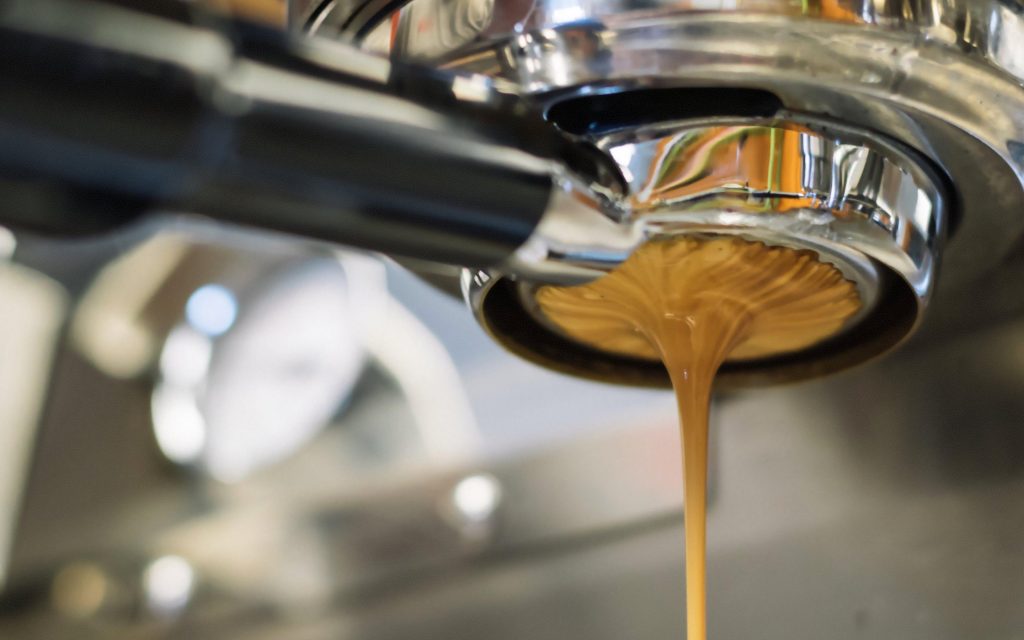
What is espresso? Espresso is a concentrated coffee beverage brewed by forcing hot water at 9 bars of pressure through finely ground coffee beans for 25–30 seconds. Unlike regular drip coffee, espresso extraction produces a 1–2 ounce shot topped with golden crema — a rich emulsion of oils and CO₂ that signals quality. This complete guide explains what espresso is, how it differs from coffee, the science behind 9-bar extraction, and step-by-step instructions to brew authentic espresso at home with any machine.
The term “espresso” comes from the Italian esprimere, meaning “to express” or “to press out,” referring to the high-pressure brewing method developed in Italy during the late 19th century. Today, what is espresso if not the foundation of modern coffee culture? It serves as the base for popular drinks like cappuccino, latte, macchiato, and americano.
Table of Contents
- What Is Espresso? The Definition
- The History and Origins of Espresso
- What Is Espresso Extraction Science?
- Espresso Brewing Temperature: Why 93°C Matters
- The Perfect Espresso Ratio: 1:2 Dose to Yield
- How to Make Espresso at Home
- Espresso vs Coffee: What’s the Difference?
- Types of Espresso Drinks
- Common Espresso Problems and Solutions
- Frequently Asked Questions (FAQ)
What Is Espresso? The Definition
The Italian Espresso Standard
What is espresso according to the Italian Espresso National Institute (INEI)? The official definition requires specific parameters: 7 grams of coffee per single shot, water at 88–93°C, 9 bars of pressure, and 25–30 seconds extraction time. The result must be a 25–30ml beverage with a persistent hazelnut-colored crema.
Espresso Extraction Science
What is espresso extraction at the molecular level? When 9-bar pressure forces water through compacted coffee grounds, it dissolves soluble solids, oils, and aromatic compounds that gravity-based brewing cannot extract. This process creates:
- Concentration: 8–12% total dissolved solids (vs. 1.2–1.5% in drip coffee)
- Emulsification: Oils form micro-droplets suspended in the liquid
- Colloidal suspension: CO₂ and fine particles create the crema structure
The History and Origins of Espresso
Who Invented Espresso?
Angelo Moriondo patented the first espresso machine in Turin, Italy, in 1884. However, it was Luigi Bezzera who, in 1901, developed the single-serve espresso system that closely resembles modern machines. Desiderio Pavoni purchased Bezzera’s patent in 1903 and founded La Pavoni, introducing espresso to Milanese cafés.
According to the Specialty Coffee Association, the evolution from steam-powered to pump-driven machines in the 1960s — pioneered by Ernesto Valente’s Faema E61 — revolutionized espresso quality by enabling consistent 9-bar pressure extraction and temperature stability.
The Rise of Third-Wave Coffee
The “third wave” coffee movement transformed what is espresso from a commodity into an artisanal product. This movement emphasizes single-origin beans, light to medium roasts, precision brewing with digital scales, and direct trade relationships between roasters and farmers.
What Is Espresso Extraction Science?
The Four M’s of Italian Espresso
Traditional Italian espresso quality relies on four fundamental factors:
- Miscela (Blend): A balanced blend of Arabica (sweetness/acidity) and Robusta (crema/body), typically 80/20 or 90/10
- Macinatura (Grind): Fine, consistent particle size (250–350 microns)
- Macchina (Machine): Capable of maintaining 9 bars of pressure and stable temperature (±1°C)
- Mano (Hand): The barista’s skill in dosing, distributing, and tamping
The Extraction Process
The espresso extraction follows a precise chemical sequence:
- Pre-infusion (2–3 seconds): Low-pressure water saturates the puck
- Main extraction (20–25 seconds): High pressure dissolves soluble solids
- Blonding point: When the stream turns pale yellow, stop extraction
Key parameters for optimal extraction:
- Dose: 18–20g for a double shot
- Yield: 36–40g liquid espresso (1:2 ratio)
- Time: 25–30 seconds
- Temperature: 93°C (200°F)
- Pressure: 9 bars
Espresso Brewing Temperature: Why 93°C Matters
What is espresso brewing temperature and why does it matter? Temperature affects extraction efficiency and flavor profile dramatically:
Table
| Temperature | Effect | Result |
|---|---|---|
| <88°C | Under-extraction | Sour, thin, lacking body |
| 88–90°C | Light roast optimal | Bright acidity, complex florals |
| 90–93°C | Medium roast optimal | Balanced sweetness, caramel notes |
| 93–96°C | Dark roast optimal | Bittersweet chocolate, smoky |
| >96°C | Over-extraction | Burnt, ashy, harsh bitterness |
The 93°C standard represents the sweet spot for most medium-roast espresso blends. However, lighter roasts may require temperatures up to 96°C to fully extract their complex compounds, while darker roasts often taste best at 88–90°C to avoid excessive bitterness.
The Perfect Espresso Ratio: 1:2 Dose to Yield
What is espresso ratio? The relationship between ground coffee dose and liquid espresso yield determines concentration and flavor balance:
- Ristretto: 1:1.5 ratio (18g in → 27g out) — intense, syrupy, concentrated
- Normale: 1:2 ratio (18g in → 36g out) — balanced, standard espresso
- Lungo: 1:3 ratio (18g in → 54g out) — lighter, more diluted, bitter notes
The 1:2 ratio (normale) is the industry standard because it balances extraction efficiency with flavor complexity. Adjust based on bean density, roast level, and personal preference.
How to Make Espresso at Home
Equipment Checklist for Beginners
To understand what is espresso brewing at home, you’ll need:
- Espresso machine (semi-automatic recommended for beginners) — see our best espresso machines for beginners
- Burr grinder (essential for consistency) — check our coffee grinder guide
- Digital scale (0.1g precision)
- Tamper (58mm standard)
- Timer and fresh beans (roasted within 2–4 weeks)
Espresso Grind Size Guide
What is espresso grind size? It should resemble fine table salt — not powder, not coarse sand. Calibrate by taste:
- Too sour? Grind finer (increases resistance, extends extraction)
- Too bitter? Grind coarser (decreases resistance, shortens extraction)
Tamping Technique Explained
Apply 15–20kg (30–40 lbs) of pressure with a level tamper. Uneven tamping causes channeling — water finds the path of least resistance, creating uneven extraction.
Step-by-Step Brewing Guide
Step 1: Grind and Dose Grind 18–20g of coffee to espresso fineness. Weigh your dose for consistency.
Step 2: Distribute and Tamp Level the grounds with a distribution tool. Tamp level with firm, even pressure.
Step 3: Lock and Brew Insert the portafilter immediately. Start extraction and place your scale/timer under the spouts.
Step 4: Monitor the Shot Aim for 36–40g of liquid in 25–30 seconds. The stream should resemble warm honey.
Step 5: Evaluate and Adjust Taste immediately. Adjust grind finer if sour or coarser if bitter.
Espresso vs Coffee: What’s the Difference?
Caffeine Comparison
What is espresso caffeine content compared to drip coffee?
Table
| Feature | Espresso | Drip Coffee |
|---|---|---|
| Serving Size | 1 oz (30ml) | 8 oz (240ml) |
| Caffeine per Serving | 63mg | 95mg |
| Caffeine per Ounce | 63mg | 12mg |
| Concentration | 8–12% TDS | 1.2–1.5% TDS |
Critical insight: What is espresso if not more concentrated? While a full cup of drip coffee contains more total caffeine, espresso delivers 5x more caffeine per ounce.
Flavor Profile Differences
- Espresso: Intense, complex, full-bodied, with crema sweetness
- Drip Coffee: Cleaner, lighter, more nuanced acidity, transparent origin flavors
Types of Espresso Drinks
Cappuccino vs Latte vs Macchiato
What is espresso used for? These popular drinks start with espresso as their foundation:
Table
| Drink | Espresso | Steamed Milk | Foam | Ratio |
|---|---|---|---|---|
| Cappuccino | 1 shot | 1 part | 1 part | 1:1:1 |
| Latte | 1 shot | 3 parts | Thin layer | 1:3 |
| Macchiato | 1 shot | None | Dollop | 1:0.5 |
| Americano | 1 shot | Hot water | None | 1:2 |
Flat White and Cortado Explained
- Flat White: Australian invention with micro-foam milk (1:2 ratio, velvety texture)
- Cortado: Spanish equal-parts espresso and warm milk, no foam
For advanced techniques, explore our latte art guide.
Common Espresso Problems and Solutions
Table
| Problem | Cause | Solution |
|---|---|---|
| Sour taste | Under-extraction | Grind finer, increase dose, tamp harder |
| Bitter taste | Over-extraction | Grind coarser, decrease yield, lower temp |
| No crema | Stale beans, low pressure | Use fresh beans, check machine pressure |
| Channeling | Uneven tamp/distribution | Improve tamping technique, use WDT tool |
| Weak body | Insufficient dose | Increase dose to 18–20g, check grind |
Frequently Asked Questions (FAQ)
What is espresso exactly?
Espresso is a concentrated coffee beverage brewed by forcing hot water at 9 bars of pressure through finely ground coffee for 25–30 seconds. It produces a 1–2 oz shot with golden crema, distinct from drip coffee which uses gravity filtration.
What is espresso vs regular coffee?
Espresso uses high pressure (9 bars) and fine grind for 25–30 seconds, producing concentrated flavor with crema. Regular coffee uses gravity, medium grind, and 3–5 minutes, resulting in a lighter, larger beverage.
Can you make espresso without a machine?
Authentic espresso requires 9 bars of pressure. Manual devices like AeroPress or Moka pot cannot achieve this. The Flair 58 manual lever is the exception, capable of genuine espresso extraction.
Why is my espresso bitter?
Bitterness indicates over-extraction. Solutions: grind coarser, reduce extraction time to 25 seconds, lower water temperature to 92°C, or switch to a lighter roast.
How much caffeine is in two shots of espresso?
Two shots (doppio) contain approximately 125–130mg of caffeine, depending on bean variety. This equals one 8-ounce cup of drip coffee but in a 2-ounce serving.
What is the best grind size for espresso?
Espresso requires a fine grind, 250–350 microns — finer than table salt, coarser than powder. Calibrate by taste and extraction timing.
Is espresso stronger than coffee?
Espresso is more concentrated (63mg caffeine per ounce vs. 12mg in drip coffee), but a full cup of drip coffee contains more total caffeine. “Strength” depends on concentration vs. volume.
How long does espresso last after brewing?
Espresso deteriorates within 60 seconds. The crema dissipates, aromatics evaporate, and acidity becomes pronounced. Always consume immediately for optimal flavor.
What is espresso crema?
Crema is the golden-brown emulsion of coffee oils, CO₂, and water that forms on top of a properly extracted shot. It indicates freshness and proper extraction but is not the sole quality indicator.
What is espresso roast?
Espresso roast is typically medium to dark roast optimized for high-pressure extraction. However, modern third-wave espresso often uses medium or even light roasts to preserve origin characteristics.
Conclusion
What is espresso? It is the pinnacle of coffee extraction — a delicate balance of pressure, temperature, and time that transforms ground beans into a concentrated, complex beverage. Whether you’re operating a commercial café or refining your home brewing technique, understanding what is espresso empowers you to achieve consistent, quality results.
Mastering what is espresso requires practice, precision, and quality equipment. Start with fresh beans, a reliable grinder, and a machine capable of stable 9-bar pressure. Monitor your extraction parameters, taste critically, and adjust systematically. The journey from novice to skilled home barista is challenging but deeply rewarding.
Ready to brew? Explore our guides on espresso machine maintenance, single-origin espresso profiles, and advanced latte art techniques to continue your coffee education.