Coffee Insurrection Hero
Chapter #89Masa Nakashima
Masa Nakashima invites you to savor the finest coffee at Mel Coffee Roasters. Experience expertly crafted flavors and quality like never before.
 Masa Nakashima
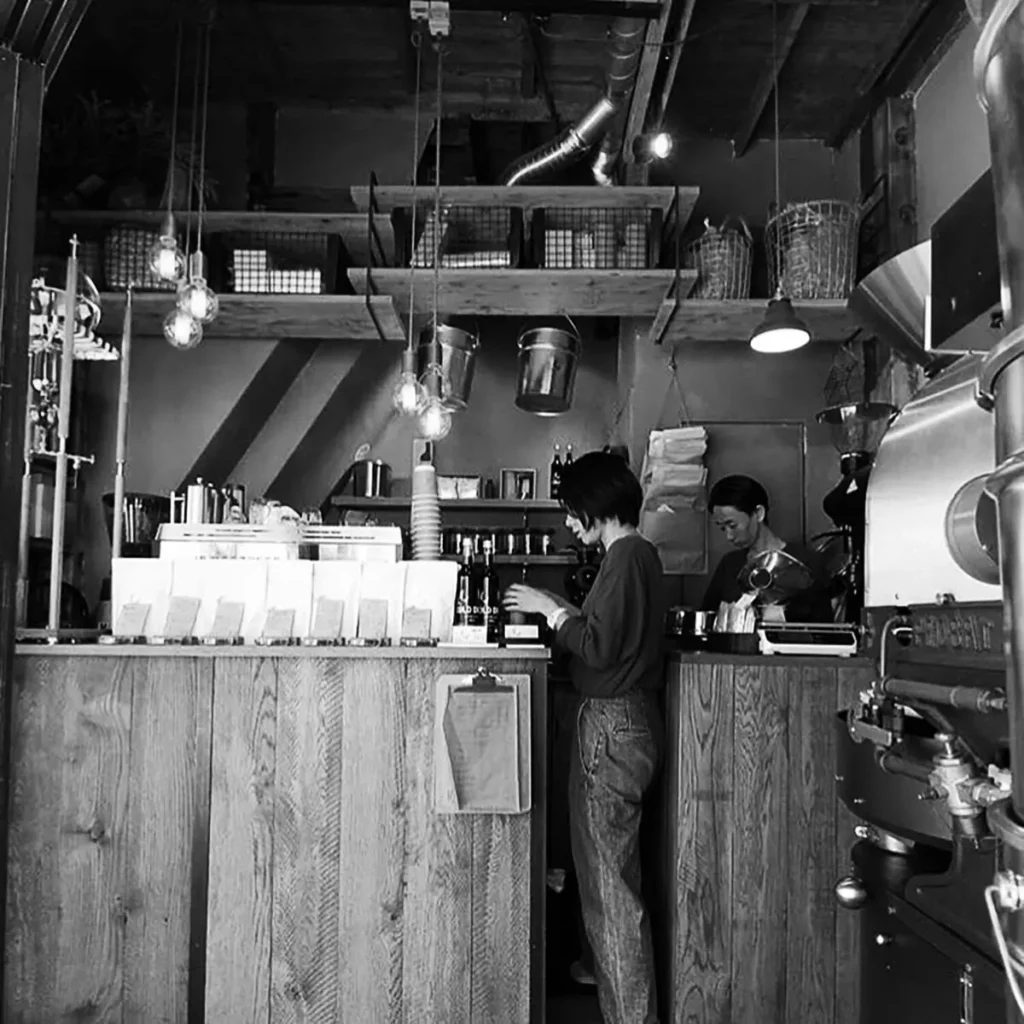
Masa Nakashima is a coffee professional at Mel Coffee Roasters, involved in judging, roasting, brewing, quality control, and cupping. Originally from Japan, he developed his foundation in Melbourne, Australia, where he worked with Rumble Coffee Roasters starting in 2010 and had his coffee awakening with a latte at Brother Baba Budan. He favors Kenyan SL34 for its cleanliness, high acidity, and compatibility with the Probat roasting machine, while also appreciating Costa Rica for boldness and Ethiopia for aroma. His best cup was a Colombia Mikava Carbonic Maceration Natural Geisha from Santuario.
He has shifted brewing ratios closer to 1:15 to align with competition trends and consumer accessibility. Key lessons include the importance of staff communication for workflow, taste, and customer retention. He anticipates the future of specialty coffee moving toward lighter roasts, diverse flavor profiles, and greater consumer education on origins and processing. This is Coffee Insurrection Hero Chapter #89, published March 15, 2024.
The Interview · 13 Questions
Key Insights from Masa Nakashima
- Coffee awakening began with a single latte at Brother Baba Budan in Melbourne (2010).
- Started his specialty career at Rumble Coffee Roasters in Melbourne.
- Shifted his espresso recipe to a 1:15 ratio to make flavors, acidity, and body more accessible.
- Best cup ever: Colombia Mikava Carbonic Maceration Natural Geisha from Santuario.
- Favours Kenyan SL34 for cleanliness, high acidity, and compatibility with the Probat roaster.
- Also enjoys Costa Rica (boldness) and Ethiopia (aroma).
- Believes the future of specialty is lighter roasts, more diverse profiles, and better consumer education on origins and processing.
Introduce yourself: who are you, where are you from, where do you work and what’s your job.
I am Masa Nakashima from Mel Coffee Roasters. I am involved in judging, roasting, brewing, quality control, and cupping as part of my job. I used to live in Melbourne and worked with the Rumble Coffee Roasters’ team. I learned how to make espresso and coffee with milk there and was inspired by their work in 2010.
When and why did coffee become important to Masa Nakashima?
I stumbled into the coffee industry in Melbourne, where there were many specialty coffee roasters focusing on their craft, whether it was light roasting or serving specific types of coffee. I was impressed by their professionalism and dedication, as well as the fact that something as simple as coffee could have such diverse flavors. This inspired me to explore the coffee world further, and over time, it became a passion of mine.
What was the first coffee that changed Masa Nakashima’s understanding of flavor?
I remember having a latte at Brother Baba Budan in Melbourne and being surprised by it’s depth of flavor. That experience marked the beginning of my journey into the coffee industry.
What does Masa Nakashima enjoy most about working in coffee?
I enjoy starting my day with light, simple food and water to prepare my palate for cupping sessions and focus on the coffee that will ultimately impact our customers.
What’s your favorite brewing method and why?
While I used to prefer brewing methods that emphasized gentle flavors and low bitterness, I’ve recently adapted to trends in coffee competitions and consumer preferences. We now use a ratio closer to 1:15 to appeal to more coffee lovers and make the flavors, acidity, viscosity, and overall structure of the coffee more accessible.
What is the best coffee Masa Nakashima has ever tasted?
The best coffee I ever tasted was a Colombia Mikava Carbonic Maceration Natural Geisha from Santuario. It had remarkable flavors of ripe mango, lychee, ripe peach, and orange blossom, along with a rich viscosity supported by caramel and nutty notes.
Which coffee origin does Masa Nakashima favor most?
I like try and explore different kind oI particularly favor Kenyan coffee, especially the SL34 variety, for its cleanliness, high acidity, and compatibility with our Probat roasting machine. Our customers also love Kenyan coffee, making it a consistent favorite in our shops.f origins and blend, my journey is just started. I do enjoy Costarica as their boldness. I love Ethiopia for the aroma.
Suggest us a roastery to check (not the one you working at/you use at work).
What has Masa Nakashima learned from working in the coffee industry?
Effective communication with staff is crucial. Good communication leads to positive outcomes in various aspects, including the taste of the coffee, workflow efficiency, customer interaction, and ultimately, positive reviews and customer retention.
How your work and the specialty coffee world are coping with Covid and the new challenges for hospitality?
Despite the challenges posed by COVID-19, we continue to prioritize providing excellent hospitality. Adapting to new circumstances, maintaining hygiene standards, and ensuring customer and staff safety are essential aspects of our operations.
How does Masa Nakashima see the future of specialty coffee?
I anticipate significant changes in the specialty coffee scene, with a greater emphasis on lighter roasts, diverse flavor profiles, and increased consumer knowledge about coffee origins and processing methods. This growth presents opportunities for roasters and the coffee industry as a whole.
Where do you see yourself in 10 years?
In 10 years, I aspire to have deepened my knowledge and passion for coffee, contributing positively to the coffee community and fostering happiness among coffee lovers, baristas, and colleagues.
Any last word? Any tip or suggestion you wanna share with someone that want to start this path?
My suggestion for those starting in the coffee industry is to immerse yourself fully in learning and experiencing different aspects of coffee. Stay curious, seek out mentorship, and never stop exploring and experimenting with coffee..
Best Cup
"Colombia Mikava Carbonic Maceration Natural Geisha from Santuario."
More Photos

Author

Tanya Nanetti is a specialty coffee journalist, writer, and coffee educator dedicated to documenting the people, places, and stories behind the global specialty coffee movement.She writes about specialty coffee shops, roasters, coffee origins, brewing techniques, sensory experiences, and the professionals shaping the future of coffee culture.As a certified coffee trainer and contributor to international coffee publications, including Barista Magazine and Standart Magazine, Tanya combines journalistic research with hands-on coffee knowledge to explore the evolution of third wave coffee worldwide.Through interviews, guides, and coffee stories, she helps connect coffee professionals and enthusiasts with the communities, craftsmanship, and innovation behind every cup.
More Coffee Heroes
Coffee Insurrection Hero
Conversations with the people behind the cup.